USB-C hub failed radiated emissions at the formal run
A pre-scan would have caught it. The fix took a ferrite and a shield redesign — the second formal run did not.
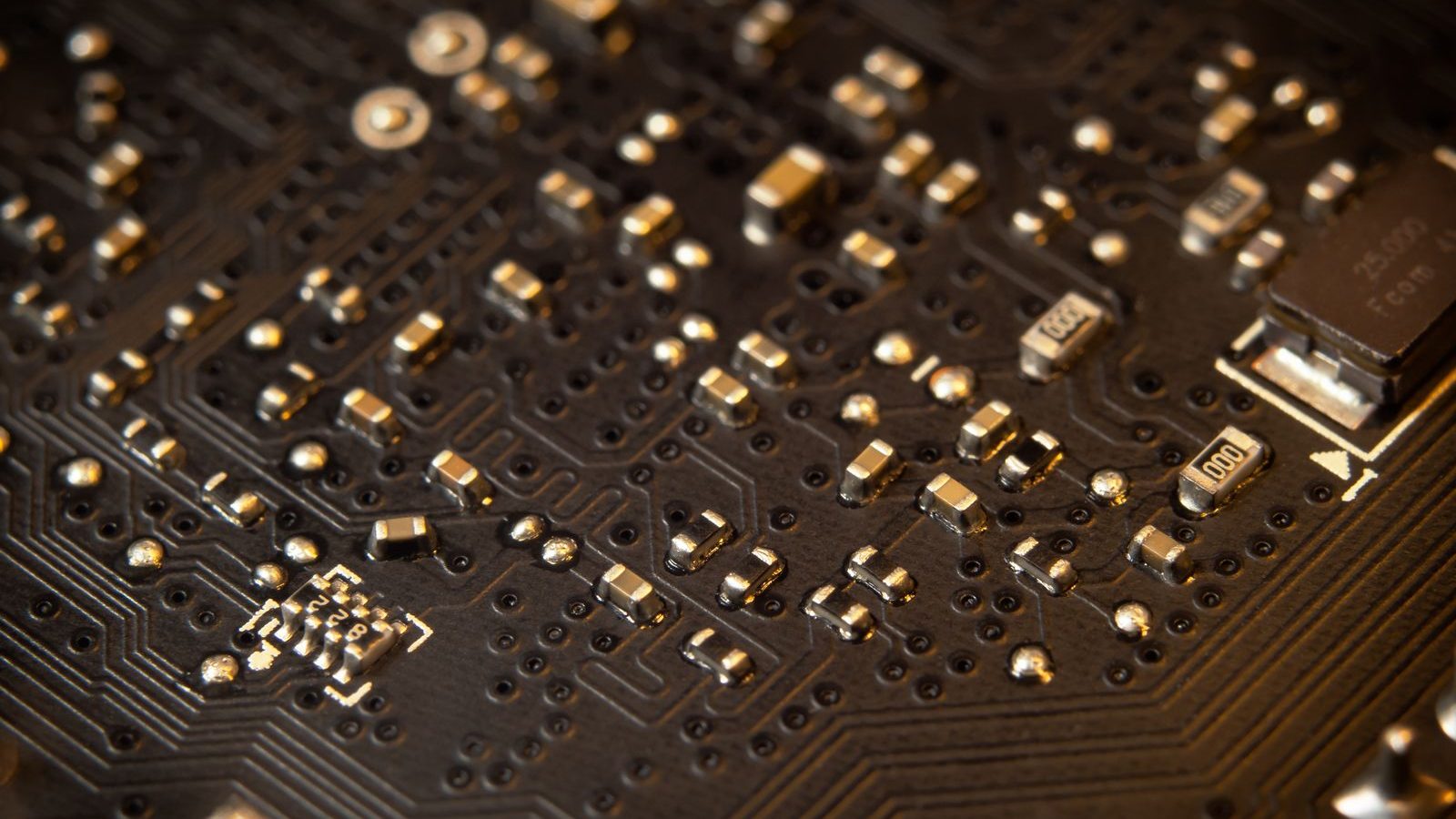
Radiated emissions exceeded the CISPR 32 Class B limit on the first formal run, after conducted emissions had already passed elsewhere.
Near-field probing to locate the source, ground plane stitching across the split, ferrite at the cable exit, then a targeted retest of the affected item.
Second formal run met the Class B limit. Only the affected item was retested, so the schedule recovered most of the lost week.
The customer arrived with a design that had already passed conducted emissions at another lab and failed radiated emissions on the first formal run at ours. The failing band sat just above 300 MHz, which usually points at a clock harmonic escaping through a cable rather than a shielding gap.
What the near-field probe showed
The dominant radiator was the USB-C cable shield, driven by a return path that ran across a split in the ground plane under the connector. The board was not the antenna; the cable was.
What changed
The customer stitched the ground plane across the split and added a ferrite at the cable exit. The retest covered the affected item only, not the full plan, because nothing else had changed.
Frequently asked
Would a pre-scan have found this?
Yes. The cable-driven resonance shows up clearly on a near-field probe, and it would have been visible before the formal booking.